
HEARST MAGAZINES · SENIOR WEB APPLICATION / API DEVELOPER · 2007–2018
Integration work starts by understanding the system you just acquired.
As a senior developer at Hearst Digital, I was repeatedly asked to take on ambiguous, high-impact work. One example was serving as the hands-on technical integration lead for a social-platform acquisition.
- CONTEXT
- Hearst Digital, 2007–2018. A decade-spanning role on major magazine properties and acquired platforms.
- ROLE
- Senior hands-on architect; embedded technical integration lead inside the acquired company.
- THE DECISION
- Discover the acquired system through the people running it before defining how it connects.
- THE RESULT
- Technical integration of a $10M+ social-platform acquisition, plus API infrastructure tied to $50M+ recurring revenue.
- THE SOURCE
- Enterprise delivery as stated on the résumé. Employment verification and references are available on request.
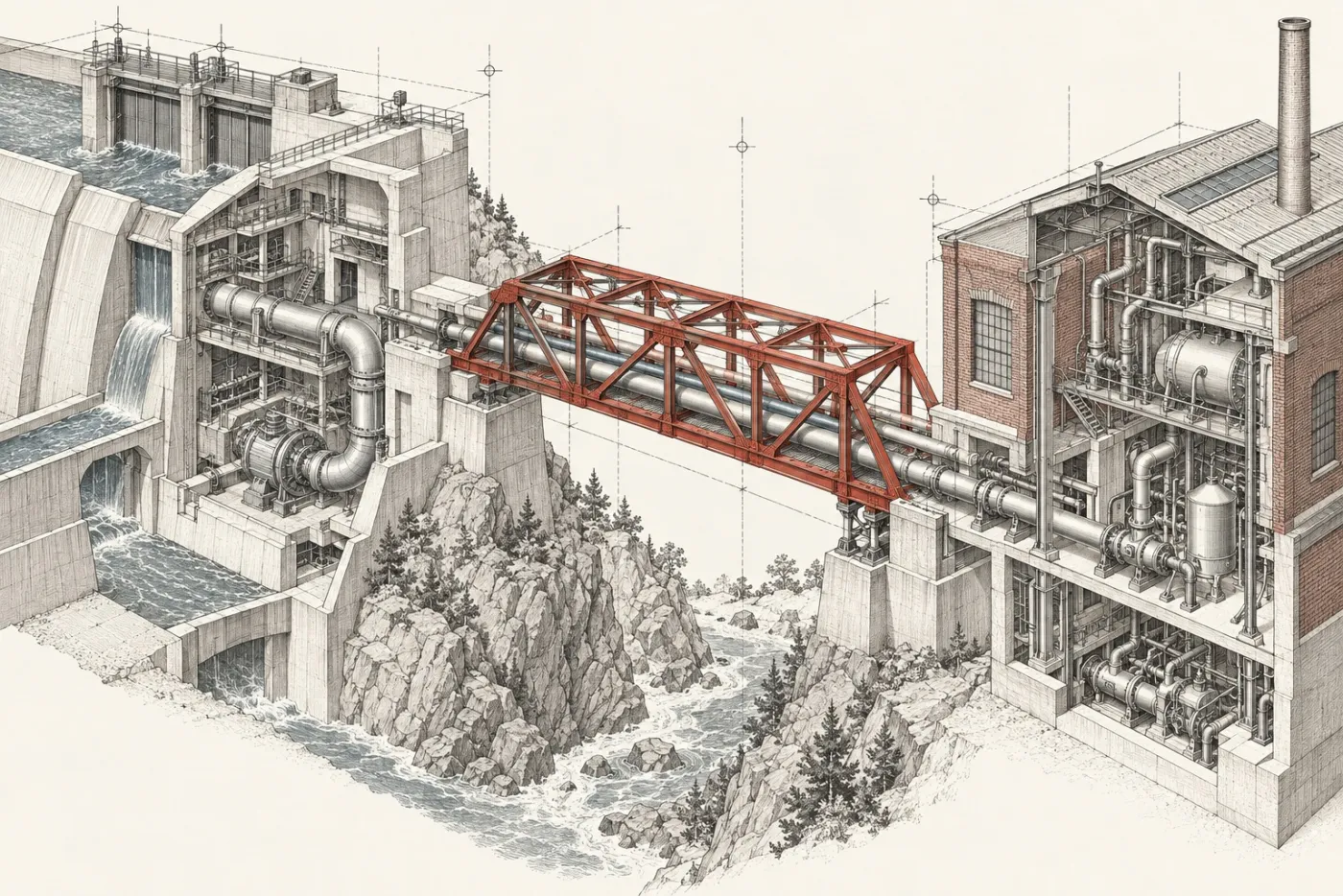
Acquisition integration scope. My work began inside the acquired company, with its executives and engineers, in an unfamiliar production environment.
THE SITUATION
Two organizations. A live product. A short path to understanding.
Hearst had acquired a social platform, a deal valued above $10 million, and the asset now had to be understood and connected to Hearst's systems. The platform was live, serving real users, built by people whose knowledge was not written down anywhere I could read it.
The failure mode for this kind of work is well known: the acquiring company imposes its architecture before understanding what it bought, and the acquired platform loses whatever made it worth buying. The task required the opposite posture: learn the system first, define the integration path second, and keep the people who ran it involved in both.
This was a recurring pattern in my Hearst years, not a one-off. I was repeatedly selected for ambiguous, high-impact initiatives that needed discovery, executive communication, architecture, integration, and implementation to come from the same person.
MY ROLE
Learn, align, design, implement.
I embedded onsite with the acquired company's executives and engineering team. The discovery was the work: mapping an unfamiliar production environment, understanding its operating constraints and failure history, learning which parts of the system were load-bearing and which were scar tissue.
From that evidence I defined the integration path with stakeholders on both sides, then personally implemented the resulting integrations. The value of doing discovery and implementation in one role is that nothing gets lost in the handoff: the person who learned why the system behaves the way it does is the person writing the code that touches it.
That pattern, enter an unfamiliar environment, earn the right to change it, then change it, is the same operating model forward-deployed engineering formalized years later. The title did not exist on my Hearst badge; the work did.
THE WIDER PLATFORM WORK
API infrastructure the business ran on.
Beyond the acquisition work, I architected REST APIs supporting subscription, content, and identity systems across Hearst Digital properties, systems tied to more than $50 million in recurring revenue and serving over a million monthly visitors. Those figures describe the scale of the systems, not revenue personally generated by me.
I also led the modernization of publishing infrastructure from Perl/Mason to Python/Django, and built reusable platform pieces, JSON rendering, OAuth integration, content and identity plumbing, automated testing, that outlasted any single property launch.
WHAT IT SHOWS
The same operating model, years before it had a name.
Hearst is a decade of the customer-embedded pattern: being handed ambiguous, high-stakes problems, entering the environment, aligning the people, and shipping the integration. I count it as forward-deployed-equivalent operating experience, kept deliberately separate from the two recent years I spent applying the same discipline to an independent agentic-AI platform build.